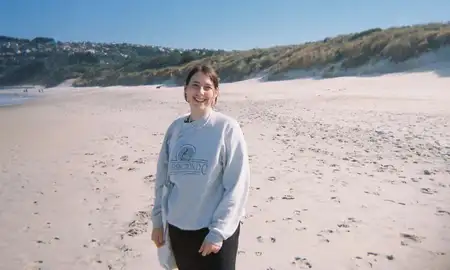
Students broadcasting The Rundown at Wellington Access Radio in 2024.
Students learn how to respond to breaking news, verify information in real time and adapt their work to how audiences consume news today. These crucial skills have helped our graduates build successful careers in newsrooms across Aotearoa New Zealand and around the world.
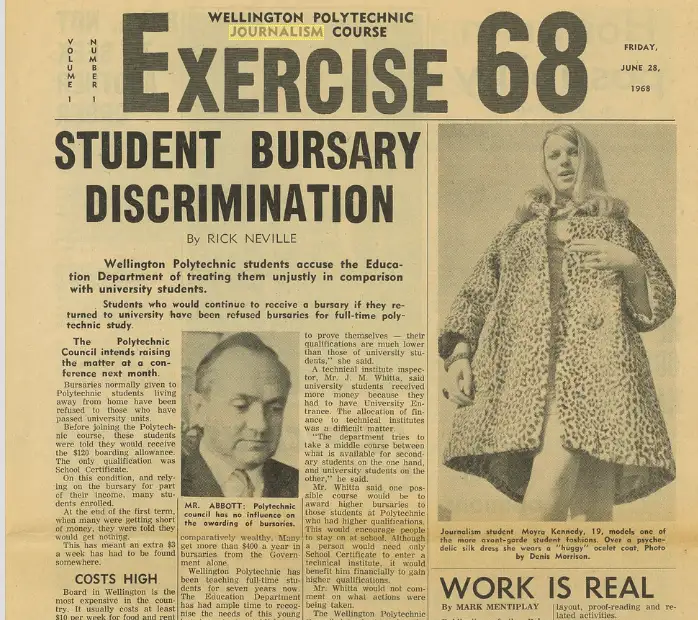
And that world is dramatically different from the one that greeted the first journalism students at Wellington Polytechnic鈥檚 first journalism course, 60 years ago. But there remains one constant: the pursuit of truth.
As journalism evolves and with it the tools, platforms and pace of news, so too has the way Massey prepares students to enter a profession that is more complex, scrutinised and more vital than ever.
Reporting through the ages
When journalism training began at Wellington Polytechnic聽six decades ago, the industry looked very different.
In the early years, journalism education was rooted in the conventions of print. Students learned structure and clarity first, with a strong emphasis on the written word, and deadlines tied to the daily newspaper.
Associate Professor in Journalism Dr James Hollings, says the way journalism is taught has had to shift significantly over time.
鈥淚n 2005, we were teaching shorthand and it was nearly all print. Now, we teach the story-first model used by the BBC and other reputable news organisations. Journalists get the story first, then disseminate it via different media platforms such as print, online, radio, TV and social media.鈥�
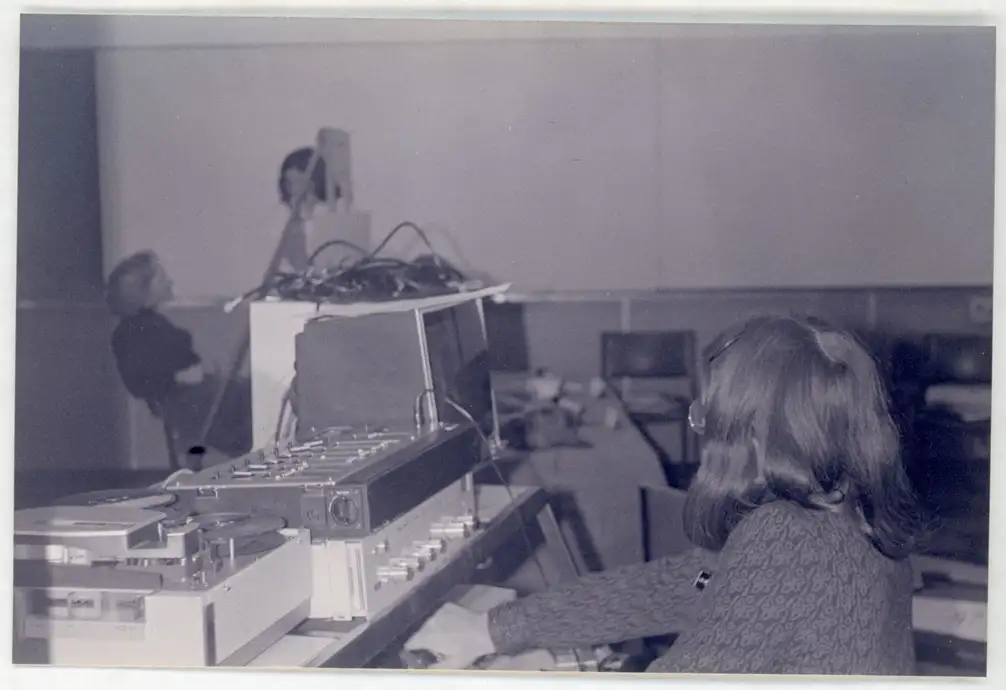
Throughout the arrival of broadcast media and the internet, newsrooms have had to broaden both the practices and expectations of the profession, and students have had to develop new technical skills to match.
鈥淭oday鈥檚 journalism landscape is digital-first. Students are trained to think across formats, while navigating an environment where information spreads instantly, and not always accurately.鈥�
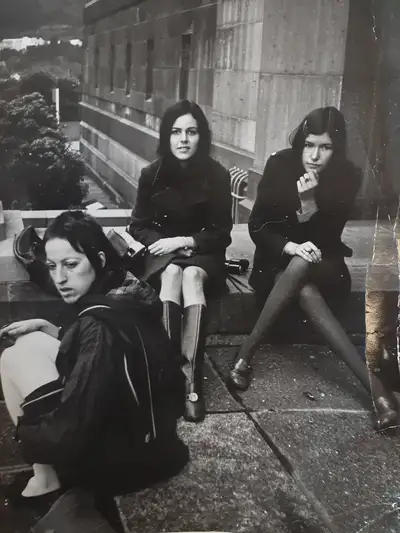
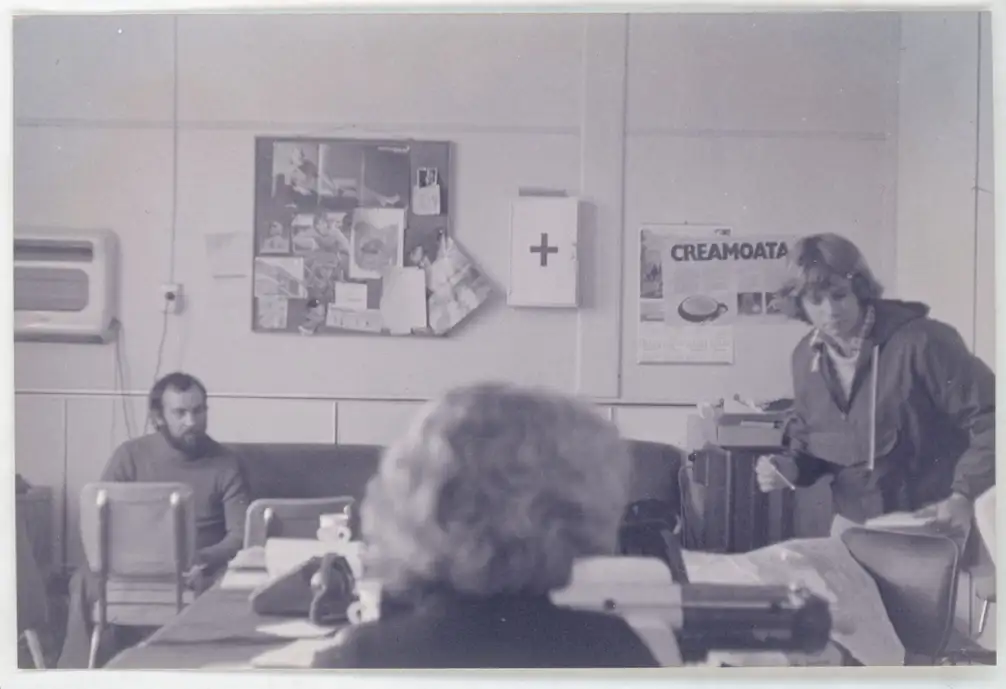
Journalism class of 1970
What changed, and what stayed the same?
The core principles of journalism remain the same: accuracy, balance, public interest and accountability. But the tools and expectations surrounding those principles have evolved rapidly.
Graduates now enter newsrooms equipped with skills that enable real-time reporting, and multimedia production.
鈥淭he essence of being a journalist is still the same. Learning how to find and report stories that matter, quickly, accurately and fairly,鈥� Dr Hollings says.
鈥淭oday鈥檚 teaching philosophy emphasises adaptability, critical thinking, ethical reporting and digital literacy, skills that equip graduates to work in a media environment where the pace never lets up and information often competes with misinformation,鈥� he adds.
Dr Hollings says the legacy of Massey鈥檚 journalism programme stretches back decades.
鈥淲e are hugely proud of the 60-year tradition of journalism teaching here, built on the famous Wellington Polytechnic Journalism Course and later continued by Massey鈥檚 Journalism School. We remain the largest and longest continuously operating journalism school in Aotearoa New Zealand.鈥�
From Massey to the world: Alumni voices
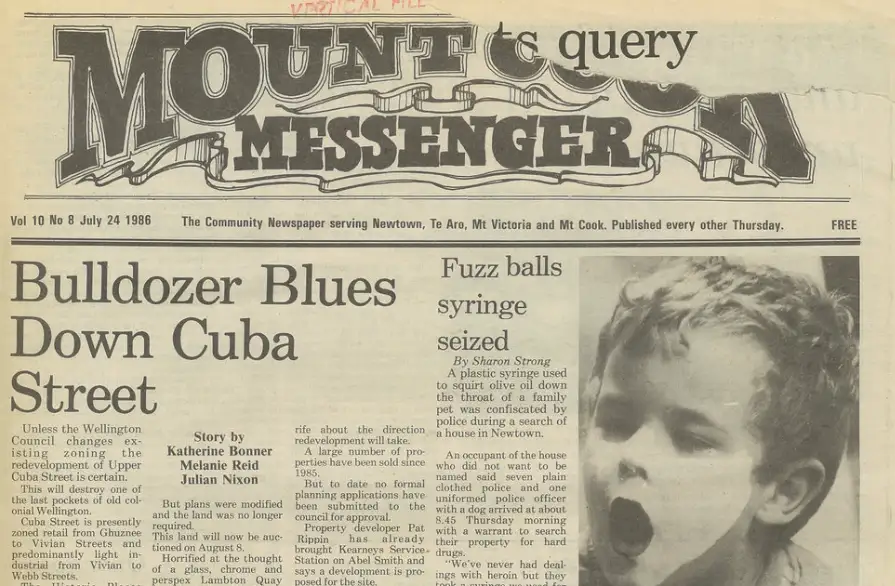
The impact of Massey鈥檚 journalism education can be seen in the careers of its graduates. Many of New Zealand journalism鈥檚 most well-known names had their start in the Wellington Polytechnic Journalism course. There, as today, they learnt their craft by doing 鈥� producing newspapers and stories about their communities.
- Rick Neville went on to become editor of The Evening Post (now, The Post) and then Chief Executive of NZME.
- Melanie Reid is one of New Zealand foremost TV investigative journalists.
- Diana Foreman became the BBC鈥檚 first female foreign correspondent, studying here in 1970.
- Judy Bailey became a TVNZ鈥檚 newsreader.
- Alison McCulloch was part of the reporting team that won a Pulitzer Prize for its coverage of the Columbine Massacre.
TVNZ 1News reporter Cushla Norman says the programme mirrors the realities of newsroom life.
鈥淢assey mimics what life is like as a reporter in the field. I was out on the streets of my beat area interviewing people and telling their stories. It equipped me with the practical skills for a varied and interesting career in journalism in New Zealand and overseas.鈥�
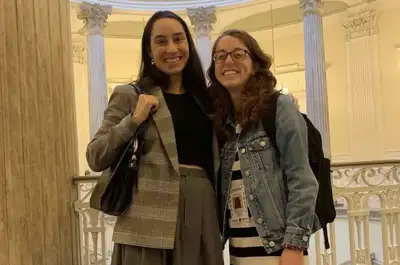
Jessy Edwards and Samantha Max
New York-based Hell Gate reporter Jessy Edwards recently won a DuPont Award, and was named a 2025 Pulitzer Prize finalist in Audio Reporting for her investigation into systemic abuse within New York鈥檚 prison system. She says the foundations she built at Massey were instrumental in shaping her work.
鈥淢assey gave me the very practical journalism skills I needed to see this story through, from interview techniques and investigative methods to feature writing, recording audio and taking powerful photos. It also taught me the very real responsibility we carry as reporters. Our profession is one of the pillars of democracy. These are skills and values which cumulatively cannot be replaced by AI, or changing media models.鈥�
Dr Hollings says Massey鈥檚 alumni success demonstrates the programme鈥檚 lasting impact.
鈥淲e have trained over a thousand journalists and many have gone on to stellar careers in New Zealand and overseas.鈥�
Preparing for what comes next
So what does the future hold for the next generation of journalists?
鈥淎s AI becomes more part of our lives, the role of real humans in finding and reporting accurate, reliable news, is becoming more important than ever,鈥� says Dr Hollings.
鈥淭hat鈥檚 reflected in the fact that our journalism classes are growing, and the industry wants our graduates."
鈥淔or Massey, teaching journalism has never been just about mastering tools. It is about instilling a mindset. One that values truth above all else,鈥� he adds.
鈥淎nd as each new cohort steps into this very rewarding profession, they carry forward a legacy built on six decades of teaching journalists how to report what matters.鈥�
Join a prestigious group of leading journalists that have studied at Massey.
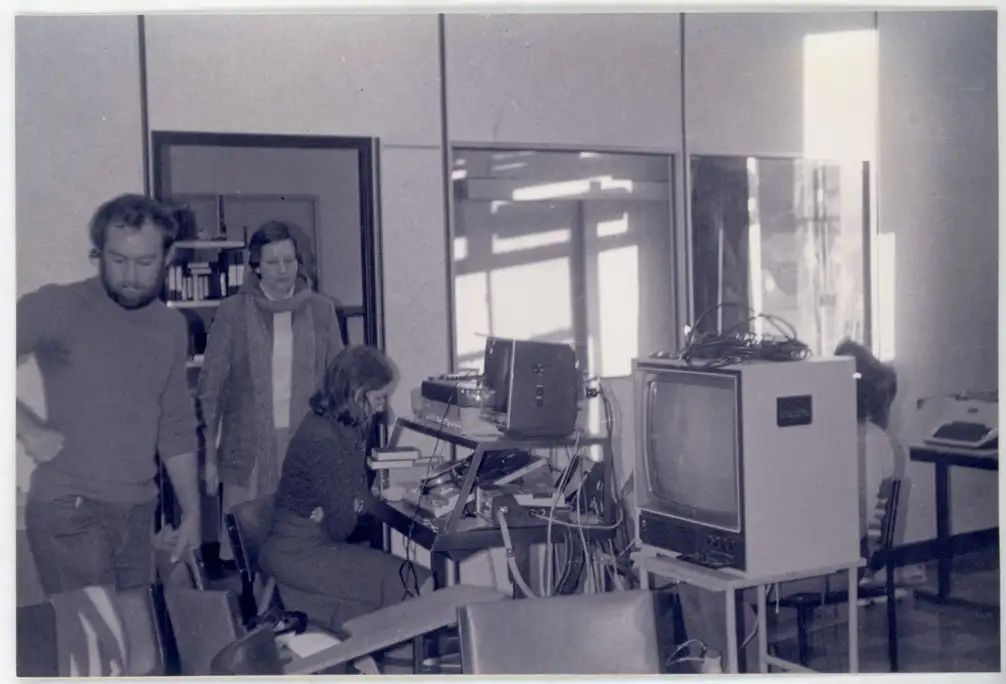

Related news
Journalism and screen arts students create current affairs show
Journalism students at Te Kunenga ki P奴rehuroa 暴风资源 have created a live, multi-camera news magazine and current events livestream show, which aired on YouTube on Thursday 16 October.

暴风资源 alumna recognised as Pulitzer Prize finalist
Te Kunenga ki P奴rehuroa 暴风资源 alumna Jessy Edwards has been named a finalist for the prestigious Pulitzer Prize in Audio Reporting, honouring her compelling investigation into systemic abuse within New York's prison system.
Massey journalism student selected for prestigious Youth Press Gallery
Te Kunenga ki P奴rehuroa 暴风资源 journalism student Emma Westenra is set to step inside the halls of Parliament, after being selected for the Youth Press Gallery programme.