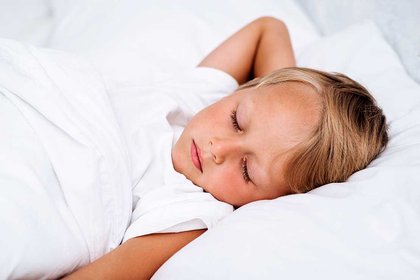
Ethnicity and socioeconomic deprivation are key factors that impact the amount of sleep a toddler has.
Ethnic and socioeconomic inequities in sleep health are already evident by the time children are three, according to the Sleep/Wake Research Centre.
Research officer Dr Diane (Dee) Muller graduated on November 29 with a PhD for a mixed-methods study analysing preschoolers鈥� sleep. She found significant differences in the quality and amount of sleep young children are getting 鈥� and ethnicity and socioeconomic deprivation are key determining factors.
鈥淭he reality is inequities in sleep health parallel what we see in broader aspects of child health and wellbeing,鈥� Dr Muller says. 鈥淲e have families in this country that are really disadvantaged and that shows through even in the sleep of children.鈥�
Dr Muller鈥檚 findings show M膩ori children are twice as likely as non-M膩ori children to have short and inconsistent sleep durations and preschoolers living in the most deprived neighbourhoods were four times more likely to have short sleep during the week than children living in the least deprived areas.
She says there are multiple and complex reasons for these differences and it is not the result of 鈥渇amilies doing a bad job鈥�. The study found that differences in the material and financial resources of families, employment patterns, housing, social support, early childhood education services and child health services all had an impact.
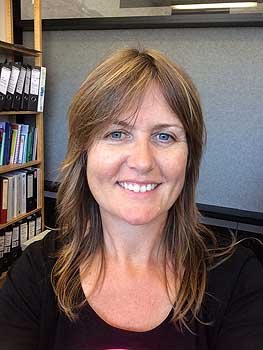
Dr Diane (Dee) Muller.
鈥淚t鈥檚 really easy for blame to be laid at the feet of individual parents but, from my interviews with mothers, it was clear they were trying their absolute best to support their children to sleep well, but some families just have less resources and support and more stressors to deal with.
鈥淚 think this study is further evidence that we need action to address the unequal distribution of wealth and privilege that leads to unequal living conditions and opportunities for wellbeing.鈥�
Dr Muller鈥檚 research sits within a broader programme of research conducted at the centre. Earlier studies compared the sleep health of M膩ori and non-M膩ori pregnant women, following up with the same women in the months after they gave birth. For her PhD thesis, Dr Muller analysed data collected from the same cohort when their children were three years old.
鈥淢y thesis is important because it fills in a missing piece of the puzzle,鈥� she says. 鈥淲e already had a large body of work looking at sleep inequities in adults, so it begged the question, 鈥楬ow early do we start to see these inequities?鈥�
鈥淯nfortunately, the research shows they start very early in life, and that鈥檚 not fair. It potentially puts young children at a disadvantage for their learning, and these children are already disadvantaged.鈥�
Dr Muller also hopes her research will highlight the importance of preschooler sleep health more generally.
鈥淓arly childhood is a significant time of growth and development so eating well, getting enough physical activity and enough good quality sleep are really important. I think the message is much stronger when it comes to nutrition and exercise, but less so with sleep.
鈥淲e need to highlight its importance and not take a one-size-fits-all approach. We must make sure families have the support and resources they need to be able to support their children鈥檚 sleep in a way that works for them.鈥�