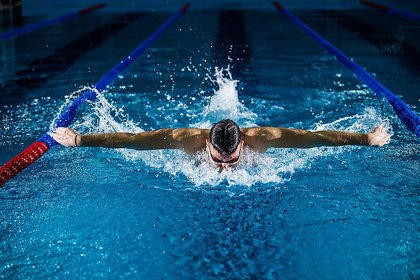
The key to competing at such an elite level, Professor Emeritus Gary Hermansson says, is the ability to keep the mind and body in alignment, which allows the athlete to stay in the present moment.
With our Kiwi Paralympians now on the world stage and a record medal haul at the Olympics for the New Zealand team, the mental challenges and pressures facing athletes in the current COVID-19 world has been thrown in the spotlight.
Sport psychologist Professor Emeritus Gary Hermansson understands first-hand just how unique the 2020 Olympics and Paralympics are. Awarded the New Zealand Olympic Order in 2017 for his service to the Olympic movement, he is no stranger to the pressures athletes face, but he says it is the backdrop of uncertainty behind Tokyo 2020 that has heightened the mental challenges.
鈥淭he athletes were functioning under totally unusual conditions. There had been that extra layer of stress all the way through the lead up to the Games and day-by-day at the event itself.鈥�
Quarantine, routine health testing, bubble restrictions, and limited international competition were just the beginning.
鈥淲hen you鈥檙e out there performing, the fear of letting people down is largely the fear of being rejected or abandoned.
鈥淎t the Olympics and Paralympics, athletes face that particular struggle鈥� and then you add the other issues that can be thrown at you, like COVID-19, and that interrupts steady preparations,鈥� he adds.
The key to competing at such an elite level, Professor Hermansson says, is the ability to keep the mind and body in alignment, which allows the athlete to stay in the present moment.
This elusive state of readiness is even harder to attain when the weight of a country鈥檚 expectations is on an athlete鈥檚 shoulders.
When there is an expectation to deliver a particular outcome, rather than giving everything they have to the present moment, their focus becomes on how to deliver the outcome instead, he adds.
鈥淲hen you鈥檙e swimming, if you鈥檙e in there thinking about the Gold medal then there is a disruption between brain and body, so part of the brain is preoccupied with the future outcome and the other part is attending to the immediate present.鈥�
Because of this, Professor Hermansson was not surprised that Olympic debutantes such as swimmer Erika Fairweather recorded a personal best outing.
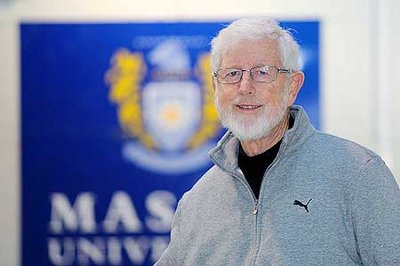
Professor Emeritus Gary Hermansson.
鈥淲hen you鈥檙e an underdog the pressure from expectations is less and you can focus more on attending to the present,鈥� he says.
For an Olympics that has been dominated by mental health headlines, Tokyo is far from the 鈥渓onely鈥� experience Professor Hermansson encountered at his first Commonwealth Games in Malaysia in 1998.
鈥淲hen I went to sit beside athletes in the dining room, they would tense up. They would be sociable, but it was almost like 鈥楲et me out of here 鈥� I don鈥檛 want to be seen in the company of this psychologist because that would mean in everyone else鈥檚 eyes that I鈥檝e got problems鈥欌��.
Over subsequent Games that he attended through to Rio 2016, Professor Hermansson says there was a growing acceptance by athletes and coaches of the significance of the mental dimension, both in terms of well-being and performance.
鈥淣ow, there is a greater preparedness from athletes to recognise their mental performance challenges and mental health concerns and to speak more openly about these, as well as reaching out for assistance from others.
鈥淭his is a positive direction that can lead to a greater resilience in handling the demands of high-performance sport, as well as the extraordinary challenges that unexpected things like COVID-19 can throw at them."