Overview
Language is at the heart of communication – a tool we use to connect with each other. Linguistics is the study of language – the mechanics of how we communicate.
Learn from world-class lecturers with deep experience of different languages and cultures. Discover new ideas with researchers specialising in areas such as language learning or Mandarin in New Zealand's workforce. Practise new languages in supportive shared environments. Develop your communication skills and cross-cultural understanding.
Languages and linguistics are a good fit if you:
- enjoy school subjects such as English or languages
- want to understand how we use, learn and teach languages
- like thinking analytically and communicating clearly.
Key topics
Languages and linguistics courses may cover:
- languages such as Chinese, Spanish or te reo Māori
- discourse studies – expression and meaning in the language of conversation, media and more
- phonetics – how words are pronounced according to language-specific rules
- semantics – the analysis of word meanings
- syntax – how words are put together to make sentences
- teaching techniques, including online language learning and TESOL (teaching English to speakers of other languages).
Speech and language therapy courses may cover:
- childhood communication development
- communication disorders caused by brain injury
- swallowing disorders.
Popular languages to study at Massey
Massey teaches Chinese, French, Japanese, Spanish, and te reo Māori – and English language skills for international students.
Learning a language helps you engage with different people and cultures. It can also give you a competitive edge in industries such as:
- business, including finance and exporting
- diplomacy and foreign affairs
- tourism.
As language learning deepens with cultural context, our highly interactive programmes include history, literature, music and popular culture. Massey students can also apply for exchanges at our partner universities in Africa, Asia, Europe, Latin America and North America.
What is linguistics?
Linguistics delves into the science of language. It includes:
- how our brains process language
- how languages evolve
- how culture and social groups affect language use
- how people communicate with and influence others in different settings.
Bachelor of Arts – BA
With Massey's BA, you can study subjects that you enjoy while learning to be a creative, critical and independent thinker.




Bachelor of Communication – BC
Become a well-rounded, innovative communication specialist who is sought after by employers, with Massey’s Bachelor of Communication.




How to study languages and linguistics
Discover what we offer if you’re interested in languages and linguistics – whether you’re coming to university for the first time, changing direction or returning to advance your study or career.
Undergraduate study
Undergraduate study An undergraduate qualification is generally the first thing you’ll study at university. In some qualifications you can choose what subject you’d like to specialise in.
Bachelor's degrees
Bachelor of Arts – BA
With Massey's BA, you can study subjects that you enjoy while learning to be a creative, critical and independent thinker. You’ll get transferable skills that employers are looking for in a rapidly changing world.
Chinese – Bachelor of Arts
Want to be a leader in the world’s global marketplace? Understand the language and culture of China to unlock the door to a lifetime of exciting careers.
Japanese – Bachelor of Arts
Let your love of the Japanese language give you an edge in the international job market. Gain fascinating insights into Japan’s rich language, culture, and society.
Linguistics – Bachelor of Arts
Learn about how language works and how people use it. Grow your ability to lead cross-cultural interactions and drive social change in an increasingly communicatively diverse world.
Spanish – Bachelor of Arts
Keen to boost your career prospects while learning about a new culture? Massey’s Bachelor of Arts (Spanish) will help you stand out in the international job market.
Te Reo Māori – Bachelor of Arts
He taonga te reo Māori - Māori language is a treasure in Aotearoa New Zealand. Become a part of it.
Bachelor of Communication – BC
Become a well-rounded, innovative communication specialist who is sought after by employers, with Massey’s Bachelor of Communication.
Linguistics – Bachelor of Communication
If you love language and want to broaden your career options in communication, the Bachelor of Communication (Linguistics) offers the best of both worlds.
Undergraduate bachelor's degrees with honours
Bachelor of Speech and Language Therapy with Honours – BSpchLngThHons
Massey’s Bachelor of Speech and Language Therapy with Honours will set you up for a rewarding career working alongside people of all ages with speech, language, communication, and swallowing difficulties.
Undergraduate certificates
Certificate in Arts – CertArts
With Massey’s Certificate in Arts, you can study what you enjoy and explore subjects within history, beliefs, societies, languages, and cultures.
Graduate certificates
Chinese – Graduate Certificate in Arts
Develop your oral and written Chinese with the Graduate Certificate in Arts (Chinese). You can study Chinese without having to complete a second bachelor’s degree.
Japanese – Graduate Certificate in Arts
Develop your oral and written Japanese with Massey’s Graduate Certificate in Arts (Japanese). You can study Japanese without having to complete a second bachelor’s degree.
Linguistics – Graduate Certificate in Arts
Use language to drive your career. With Massey’s Graduate Certificate in Arts (Linguistics), you can study linguistics without completing a second bachelor’s degree.
Spanish – Graduate Certificate in Arts
Boost your career while learning a new language. The Graduate Certificate in Arts (Spanish) will give you the equivalent of an undergraduate major in Spanish without having to complete a second bachelor’s degree.
Graduate Certificate in Teaching English as an Additional Language – GradCertTEAL
Are you actively involved in teaching English as an additional language to learners? Do you want to gain further knowledge in this area? Join Massey’s Graduate Certificate in Teaching English as an Additional Language.
Undergraduate diplomas
Chinese – Diploma in Arts
Are you interested in Chinese culture? The Diploma in Arts (Chinese) will develop your skills in oral and written Chinese.
French – Diploma in Arts
Are you interested in French culture and history? The Diploma in Arts (French) will develop your skills in oral and written French.
Japanese – Diploma in Arts
Gain fascinating insights into Japan’s rich language, culture, and society. The Diploma in Arts (Japanese) will give you an edge in the international job market.
Linguistics – Diploma in Arts
Build on your understanding of how language works. Massey’s Diploma in Arts (Linguistics) will teach you the concepts and structures in languages and cultures around the world.
Spanish – Diploma in Arts
Prepare for the global marketplace. With over 400 million speakers, Spanish is one of the most widely spoken native languages in the world and continues to grow as a popular second language.
Te Reo Māori – Diploma in Arts
With a Massey Diploma in Arts (Te Reo Māori) you’ll be able to use New Zealand’s indigenous language and participate in a Māori language community in ways that reinforce the everyday use of te reo.
Graduate diplomas
Graduate Diploma in Arts – GradDipArts
Learn to be a critical thinker, problem-solver, and inspire people with Massey's Graduate Diploma in Arts.
Chinese – Graduate Diploma in Arts
The Graduate Diploma in Arts (Chinese) will give you the equivalent of an undergraduate major in Chinese without completing a second bachelor’s degree.
Japanese – Graduate Diploma in Arts
The Graduate Diploma in Arts (Japanese) will give you the equivalent of an undergraduate major in Japanese without completing a second bachelor’s degree.
Linguistics – Graduate Diploma in Arts
Use language to drive your career. The Graduate Diploma in Arts (Linguistics) will give you the equivalent of an undergraduate major in linguistics without completing a second bachelor’s degree.
Spanish – Graduate Diploma in Arts
Learn Spanish, one of the most widely spoken languages in the world. The Graduate Diploma in Arts (Spanish) will give you the equivalent of an undergraduate major in Spanish without completing a second bachelor’s degree.
Postgraduate study
Postgraduate study Once you’ve graduated with a bachelor’s degree – or have equivalent experience – you’ll be ready to take on postgraduate study.
Master's degrees
Master of Applied Linguistics – MAppLing
With Massey’s Master of Applied Linguistics, you’ll gain the knowledge and skills to navigate and address language-based issues in a multilingual world.
Teaching English to Speakers of Other Languages – Master of Applied Linguistics
Massey’s Master of Applied Linguistics (Teaching English to Speakers of Other Languages) provides in-service development for practising teachers of English as a second language.
Master of Communication – MC
Mastering communication for real-world impact – bridging disciplines, solving problems.
Te Reo – Master of Māori Studies
Advancing mātauranga Māori through language and scholarship.
Whaowhia te kete mātauranga.
Master of Speech and Language Therapy – MSpchLangTher
Develop your research and clinical expertise and become a specialist in your field of speech and language therapy.
Postgraduate certificates
Postgraduate Certificate in Applied Linguistics – PGCertAppLing
Opening opportunities for work and research in language teaching and other language-related professional areas.
Postgraduate diplomas
Postgraduate Diploma in Applied Linguistics – PGDipAppLing
Massey’s Postgraduate Diploma in Applied Linguistics will equip you with knowledge and skills aligned with your professional and research needs. You will use theories, methods and problem-based approaches that address real-world language issues.
Postgraduate Diploma in Communication – PGDipC
An in-depth look at communication principles and practice to help progress your career.
PhD and other doctoral degrees
Doctor of Philosophy – PhD
A prestigious research qualification that demonstrates your ability to carry out independent and original research in your chosen field.
What our students say
“Young people are contributing to the future of the language and making it relevant to their lives. If any generation is likely to show the future of te reo Māori it’ll be those who can speak Māori, and it’ll be the younger generation who’ve been raised through Māori medium education.”

Ngāti Rangi, Te Āti Haunui a Pāpārangi, Ngāti Maniapoto
“Teachers were very available and so encouraging. The four years at Massey equipped me well to become a language teacher.”

“I ended up with my dream job working with adults who have speech, language or swallowing difficulties mainly as a result of brain injury.”

Our facilities
You’ll have access to a wide range of first-class facilities when you study with us.

Speech-language Therapy Clinic
A teaching clinic offering therapy for children and adults who experience communication and eating difficulties. Supervised by specialist staff, students provide assessment and intervention support at the clinic and in the community.
Location: Auckland campus
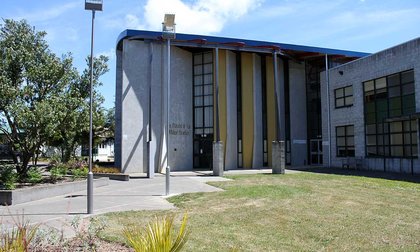
Te Pūtahi-a-Toi
Te Pūtahi-a-Toi - School of Māori Knowledge has a rūnanga room and a wharekai – Toi Te Ora – where we can manaaki visitors, students and staff.
Location: Manawatū campus
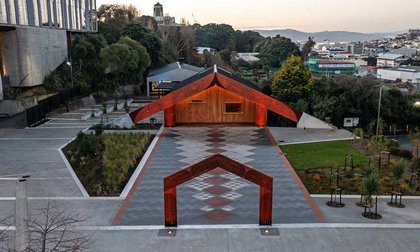
Te Rau Karamu Marae
Te Rau Karamu Marae provides stunning art-filled learning and teaching spaces and sits at the heart of the Wellington campus.
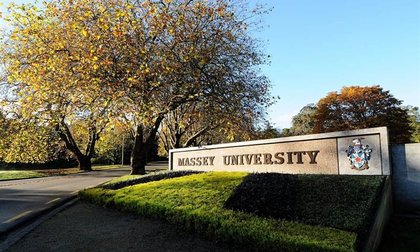
Te Whare Taupua
The Māori space on our Auckland campus. Te Whare Taupua is home to Te Rau Tauawhi, the Māori student support centre. While it's mostly a student space, it's also used for Māori events.
English language courses
New to university, or keen to improve your English language skills? Our courses include:
- short courses before you start university, such as English for academic purposes
- courses to help with areas such as academic English writing, note-taking and seminar presentations, such as the Certificate of University Preparation
Jobs in languages and linguistics
Many jobs rely on the strong communication skills gained while studying languages or linguistics.
Careers can be in all sorts of industries – from business to government agencies, education to healthcare, charities to non-governmental organisations (NGOs). Then there are specialist language careers, such as translating, research or teaching.
Languages and linguistics careers include:
- communications roles in government or businesses
- diplomats
- intelligence officers in the military or security agencies
- interpreters and translators
- policy analysts, who advise government or businesses
- speech-language therapists, who work with people with communication or swallowing disorders
- teachers, including teaching English to speakers of other languages (TESOL).
Annual salary ranges for jobs
- – $65,000 to $113,000
- – $70,000 to $179,000
- – $86,000 to $122,000
- – $55,000 to 92,000
- – $78,000 to $131,000
- – $86,000 to $104,000
- – $25 to $40 per hour
Salary ranges disclaimer
Indicative pay rates are:
- in New Zealand dollars
- based on data.
Which languages and linguistics qualification?
Examples of where our qualifications may take you.
| Qualification | Jobs |
|---|---|
|
Bachelor of Arts (Linguistics) Bachelor of Communication |
Communications professional for business or government |
| Bachelor of Arts (Linguistics) | Policy analyst |
| Bachelor of Arts specialising in your chosen language | Diplomat |
| Bachelor of Arts specialising in your chosen language | Interpreter or translator |
| Bachelor of Communication | Technical writer |
| Master of Speech and Language Therapy | Speech-language therapist |
|
Postgraduate Diploma in Applied Linguistics Master of Applied Linguistics (Teaching English to Speakers of Other Languages) |
TESOL teacher |
Get an information guide
Download our guide to find out more about studying languages and linguistics at Massey.
Related areas of interest