Leptospirosis is a bacterial disease that causes illness in humans through contact with infected animal urine and contaminated water. It is not a disease that spreads from person to person; when clusters of people are infected it is because they have been exposed to the same source. It can be hard to diagnose, as its symptoms look similar to a variety of other illnesses, including influenza and Covid-19. The way it presents can range from a minor flu-like illness to more serious symptoms needing hospital admission, such as meningitis and kidney or lung failure. In some cases, it can be fatal, and in others, the effects can linger for some time.
Professor Jackie Benschop from the School of Veterinary Science has been researching leptospirosis for more than a decade. 鈥業n New Zealand, it is largely a disease of farmers and meat workers, who are more likely to be in direct contact with animal urine,鈥� she says. 鈥楲ivestock species including sheep, cattle, deer and pigs, as well as rodents, possums and hedgehogs, are carriers.鈥�
As a veterinarian and epidemiologist, Professor Benschop focuses primarily on the biomedical aspects of leptospirosis but is careful to emphasise the importance of also paying attention to the social burden of the disease. 鈥業 was a vet in practice for 20 years before I came to Massey and for some of those years I worked in the meat industry,鈥� she says. 鈥業t鈥檚 an important industry but often hard.
鈥楾he industry does everything it can to stop people getting leptospirosis, including personal protective gear, splash guards and machinery. They do not want their workers getting sick, but most animals who turn up at the works aren鈥檛 vaccinated and the vaccines that we have for animals don鈥檛 cover all strains that animals can carry. It is an infection that people can get at work, and they can be sick for a lot longer than just a month or two. There are elements of social justice in leptospirosis and I鈥檓 quite connected with those because of where I鈥檝e come from.鈥�
A case-control study of the risk factors for leptospirosis in New Zealand
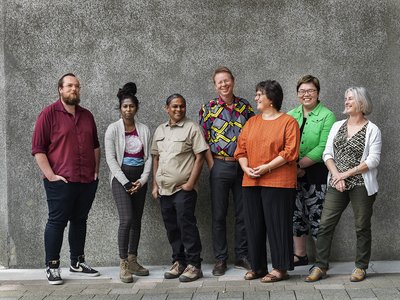
From left: Stuart Littlejohn, Dr Shahista Nisa, Dr Ahmed Fayaz, Associate Professor Gerard Prinsen, Professor Jackie Benschop, Associate Professor Polly Yeung and Dr Julie Collins-Emerson.
Currently, Professor Benschop is completing a case-control study, funded by the Health Research Council, into the risk factors for leptospirosis in New Zealand. Ninety-six leptospirosis patients and 300 controls are included in the study. Although the results are still being analysed, so far they show that patients who had leptospirosis were twice as likely to have seen evidence of rodents than those in the control group 鈥� the first time this has been demonstrated in New Zealand. The results also show that contact with cattle is a risk factor and that covering cuts on hands offers good protection against infection.
In addition to a first interview with recently ill patients, the study also involves following up with patients in the longer term. 鈥榃e asked them questions about their symptoms now, how long they had them for, and how severe they were, and over half of them still have at least one symptom about nine months later,鈥� says Professor Benschop. 鈥榃e thought it would be nearer a quarter or a third, and this is a big issue in terms of compensation. Many are back at work, but they鈥檙e not necessarily that well and some of them cannot go back to work. Globally, that鈥檚 not really recognised.
鈥楾his is the first time we鈥檝e been able to follow up with patients with leptospirosis for that long. It鈥檚 been a good case series of how long people are sick, how it鈥檚 affected their social life, and whether they feel supported by their family and their work. We also asked about their mental health and psychosocial functioning. I do think there鈥檚 a responsibility not only to do this work but also to value what people share with you. It鈥檚 humbling to hear each person鈥檚 story and the trust they have in you to share that.鈥�
Professor Benschop is part of the World Health Organization鈥檚 Global Leptospirosis Network. 鈥榃e have done work, for example, in Brazil and other places that are considered to be low and middle-income countries. I have personally been involved in developing guidelines and sharing our experience with animal vaccination. Leptospirosis can live in water and so it is climate-sensitive. When water levels rise and flooding occurs, like that seen in Manila, Sri Lanka, Bangladesh and India, rodents and people all gather on higher ground. People walk in floodwater and their skin becomes macerated, allowing leptospirosis in, as well as through mucous membranes and damage in the skin. I鈥檓 one of the international experts who get called into those discussions. It鈥檚 interesting to note how leptospirosis overseas is different to how it is in New Zealand but also how it is similar.鈥�
UN Sustainable Development Goals
Jackie Benschop
Learn more about the researcher understanding leptospirosis and the importance of paying attention to the social burden of the disease.
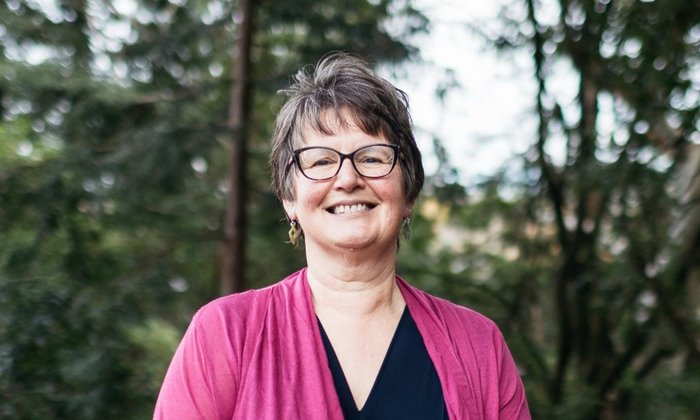
Professor Jackie Benschop
Professor Jackie Benschop is Co-Director of 暴风资源's Molecular Epidemiology and Public Health Laboratory (mEpiLab), OIE collaborating Centre for Veterinary Epidemiology and Public Health.
Related content